
Counselling & Therapy in Whitehorse, Yukon
At Connect Counselling & Psychotherapy, our team of down-to-earth counsellors bring warmth, experience, and practical tools to support you through anxiety, trauma, depression, grief, and life's challenges. Our Whitehorse therapists understand how pain, stress, and familiar patterns can leave you feeling stuck or just not quite like yourself. We offer a space to slow down, feel grounded, and begin making meaningful changes—at your own pace and in your own way.
Starting is simple
-
Book Free Consult
Taking the first step can feel big—and we’re here to make it easier. Book a free 20-minute phone/video consult to connect with one of our therapists.
-
What to Expect
Your consult is a relaxed, no-pressure conversation. We’ll talk about what you’re hoping for, answer any questions, and help you decide if we’re a good fit for your needs. You don’t need to prepare—just come as you are.
-
Step into Change
If it feels like a fit, we’ll book your first session and begin the work together. Whether you’re seeking clarity, healing, or change, therapy is a space where growth unfolds one step at a time.
Meet our Whitehorse Counsellors
-

Tanya Cameron, CCC
Clinical Director
-
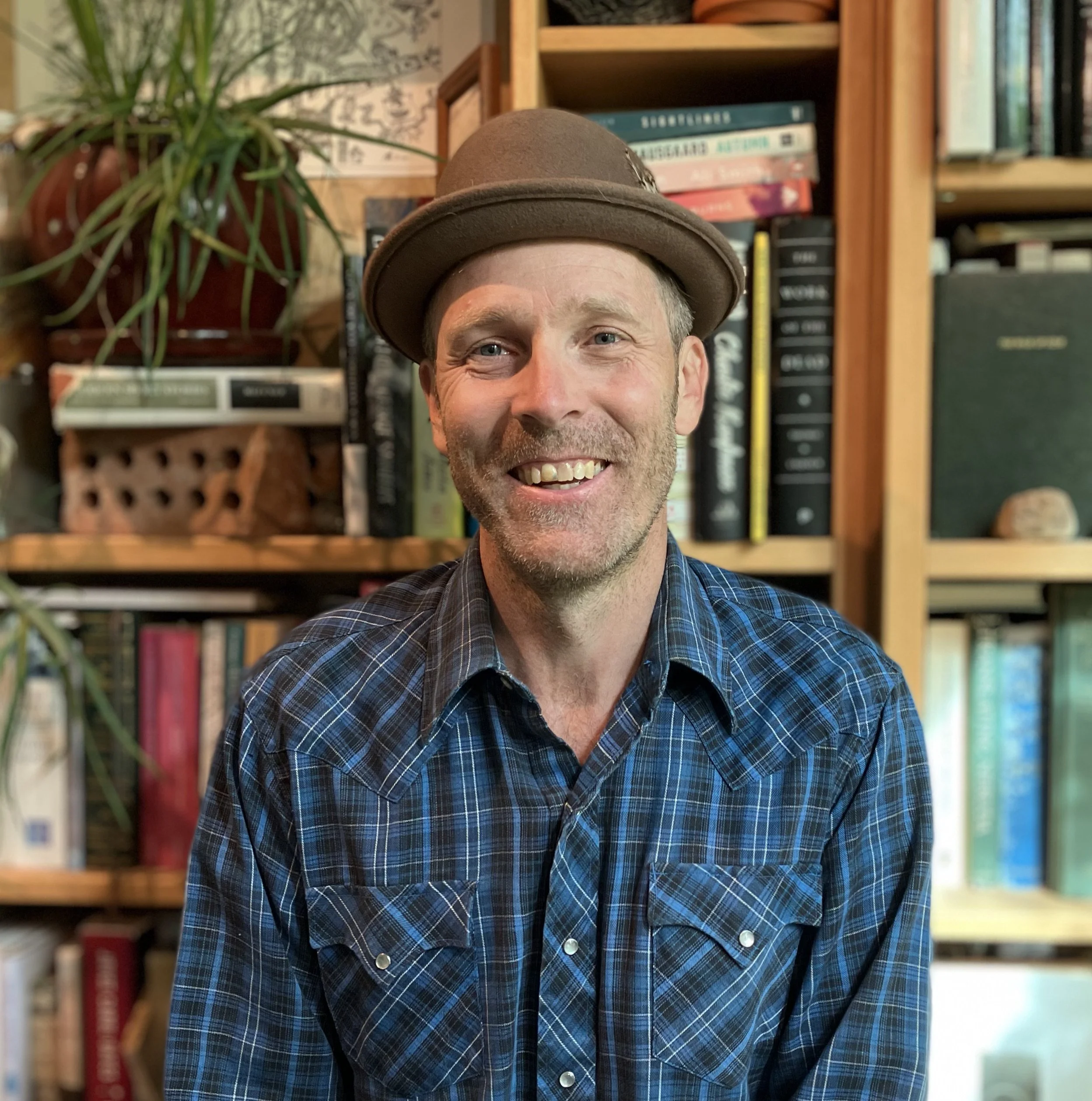
Michael Reynolds, MACP, RSW
Registered Social Worker & Counsellor
What Brings You Here?
-
Trauma can continue to affect you long after an experience has ended. You may feel constantly on alert, shut down or disconnected, experience intrusive memories, or notice that certain situations trigger reactions that feel much bigger than the present moment. We take a trauma-informed approach that focuses on both the mind and the nervous system. Depending on your needs, therapy may include EMDR, parts-based approaches such as IFS, somatic and nervous-system regulation strategies, and practical skills to help you feel safer and more grounded. We work at a pace that feels manageable, you don't need to tell your whole story before you're ready.
-
Complex trauma often develops when difficult or unsafe experiences happen repeatedly, particularly within relationships or during childhood. Its effects can show up as shame, difficulty trusting others, emotional overwhelm, disconnection, people-pleasing, perfectionism, or a persistent feeling that something is wrong with you. Therapy focuses not only on processing what happened, but also on understanding the patterns your mind and nervous system developed to protect you. Using approaches such as EMDR, IFS and other parts-based work, attachment-focused therapy, and somatic strategies, we help you build safety, develop greater self-understanding, and gradually change patterns that are no longer serving you.
-
Anxiety can feel like a mind that won't switch off, a body that is constantly braced for something to go wrong, or both. You may find yourself overthinking conversations, avoiding situations, seeking reassurance, or trying to anticipate every possible outcome. Therapy helps us understand what is driving the anxiety rather than simply telling you to "think positively." We use evidence-based approaches including CBT, ACT, somatic strategies and nervous-system regulation to help you relate differently to anxious thoughts, reduce avoidance, and feel more capable of handling uncertainty.
-
Depression isn't always obvious sadness. It can look like exhaustion, numbness, irritability, withdrawal, loss of motivation, or feeling disconnected from yourself and the things that once mattered to you. Our approach combines compassion with practical strategies. Together, we explore what may be contributing to depression while helping you gradually reconnect with meaningful activities, relationships and parts of yourself. Therapy may draw from CBT, ACT, IFS, mindfulness and somatic approaches depending on what fits you best.
-
Grief doesn't follow a predictable timeline, and loss can change the way you experience yourself, your relationships and the future. Whether you are grieving a death, relationship, health change, identity, or another significant loss, therapy provides space for grief without expecting you to "move on." We help you make room for difficult emotions, understand the ways grief is affecting your nervous system and daily life, and gradually find ways to carry the loss while reconnecting with meaning and life around it.
-
Relationships can activate some of our deepest fears and protective patterns. You may find yourself withdrawing, becoming anxious about rejection, people-pleasing, struggling to set boundaries, or repeatedly ending up in relationships that feel familiar but painful. Therapy helps you understand these patterns without blaming yourself for them. We explore attachment, past experiences, boundaries, communication and nervous-system responses so you can develop greater awareness and more secure ways of relating to others.
-
Sometimes it's hard to put into words what isn't working. You might feel overwhelmed, exhausted, disconnected, stuck, or simply not like yourself. Maybe you're coping on the outside but know that something needs to change.
You don't need a diagnosis—or even a clear explanation of what's going on—to come to therapy. We can start with what you're noticing right now and work together to understand what may be underneath it. Therapy can help you make sense of patterns, emotions and experiences, understand what your mind and body may be responding to, and find approaches that fit you.
You don't have to know where to start. That's something we can figure out together.
How We Help
-
Have you ever felt like one part of you wants one thing, while another part wants something completely different? IFS helps us understand these different “parts” of ourselves with curiosity and compassion. Rather than seeing anxiety, perfectionism, people-pleasing, anger, or avoidance as problems to get rid of, we explore how these patterns may have developed to protect you. By understanding what these parts are trying to do and what they need, old patterns can begin to soften, creating more choice in how you respond.
-
EMDR (Eye Movement Desensitization and Reprocessing) is a therapy approach rooted in neuroscience that helps people process and heal from distressing experiences or trauma by using bilateral stimulation, such as guided eye movements or tapping. Rather than talking in detail about the past, EMDR supports your brain in reprocessing painful memories so they feel less intense and no longer get “stuck,” allowing you to move forward with greater ease and resilience. Many people find EMDR effective for reducing symptoms of anxiety, PTSD, and other emotional difficulties.
-
DBT is a practical, skills-based approach that helps you navigate intense emotions and difficult situations more effectively. It focuses on building skills to manage overwhelming emotions, cope with distress, communicate and set boundaries, and stay grounded in the present moment. DBT balances acceptance with change—helping you understand and validate what you're experiencing while developing new ways of responding.
-
CBT helps you understand the connection between your thoughts, feelings, and behaviours, so you can challenge unhelpful patterns and develop more balanced, supportive ways of thinking and coping. It’s a practical, goal-oriented approach that works well for anxiety, depression, and many other concerns.
-
Flash Technique is a gentle, trauma-focused approach that can help reduce the emotional intensity connected to distressing memories. Unlike some trauma therapies, you don't need to focus on or describe the difficult memory in detail. Instead, we use brief, carefully guided moments of attention while keeping you connected to something positive or engaging. This allows the brain to begin processing painful experiences without becoming overwhelmed by them.
-
ACT supports you in accepting difficult thoughts and feelings while building a meaningful life guided by your values. Rather than trying to eliminate discomfort, ACT helps you create space for it—so it no longer gets in the way of what matters most.
Respecting the land and its Peoples

As settlers living and working on the traditional territories of the Kwanlin Dün First Nation and the Ta’an Kwäch’än Council, we recognize that our ability to work, play, and raise our families here is made possible through the ongoing impacts of colonization and cultural genocide. We hold deep respect for the strength, knowledge, and resilience of Indigenous Peoples and acknowledge the historical and present-day harms caused by systems we continue to benefit from.
In our counselling practice, we are committed to ongoing self-reflection, unlearning, and creating space that is respectful, culturally aware, and rooted in humility. We strive to honour diverse ways of knowing, being, and healing — and to co-create a space where all clients feel safe, seen, and respected.

More Questions?
Simply contact us and we will get back to you. Hello@connect-therapy.ca